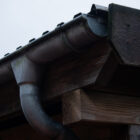

Gutter maintenance in South Florida should focus on keeping water pathways clear, checking gutters and downspouts for damage, confirming that runoff is being discharged appropriately, and inspecting the system after periods of heavy rain or major storms. Maintenance needs vary by property, so homeowners should pay attention to debris exposure, nearby trees, roof configuration, gutter condition, and signs such as overflow, leaks, sagging, staining, or water collecting near the home.
South Florida gutters can go from appearing normal during dry weather to overflowing during one intense rainstorm. That does not always mean the gutters simply need cleaning. Debris may be blocking the flow, but the problem could also involve a loose section, poor pitch, inadequate downspout capacity, damaged components, or the way runoff reaches the gutter from the roof.
At K & B Seamless Gutters, we approach gutter maintenance in South Florida by looking at how the entire drainage system is performing. For homes in Palm Beach and Broward counties, timely inspections can help identify smaller gutter problems before repeated rain exposes a more significant drainage issue.
Why Is Gutter Maintenance Different in South Florida?
South Florida’s combination of frequent rainfall, tropical vegetation, wind-driven debris, and seasonal storms places different demands on gutters than homeowners may experience in drier climates.
The National Weather Service identifies approximately May 15 through October 15 as South Florida’s wet season, when a large share of the region’s annual rainfall occurs. The Atlantic hurricane season also runs from June 1 through November 30.
That does not mean gutters only need attention during those months. Debris can collect throughout the year, and problems such as loose fasteners, sagging sections, leaks, or poor drainage may remain unnoticed until the next heavy rain.
A better strategy is to inspect based on both the season and the property’s actual conditions.
What Should Be Included in Gutter Maintenance?
Gutter maintenance involves more than removing leaves.
A useful inspection should consider:
- Leaves, seeds, twigs, roof debris, and other material inside the gutter
- Blocked or restricted downspouts
- Loose, sagging, or separated gutter sections
- Leaks at corners, joints, end caps, or outlets
- Fasteners and attachment points
- Gutter pitch and water movement
- Downspout discharge locations
- Evidence of repeated overflow
- Fascia or exterior staining near the gutter system
- Leaf guards or screens that have accumulated surface debris
The objective is to determine whether rainwater can enter the gutter, move through it, reach the downspouts, and discharge away from areas where concentrated runoff could create problems.
When Should South Florida Gutters Be Checked?
There is no maintenance calendar that works for every home. A property beneath mature trees may need attention more often than an open property with little roof debris.
However, several times are particularly useful for checking gutter performance.
Before the Wet Season
A pre-season inspection gives homeowners an opportunity to identify debris, loose sections, leaks, or restricted downspouts before repeated heavy rain begins.
This is also a useful time to look at how downspouts terminate and whether landscaping, soil, paving, or other conditions near the discharge area have changed.
After Major Storms
Heavy rain and wind can move branches, palm debris, leaves, roofing material, and other objects onto the roof and into gutters.
After a significant storm, visually check the system from the ground for:
- Sections that appear loose or out of alignment
- Visible debris
- Detached downspouts
- New leaks
- Water marks indicating recent overflow
Homeowners should avoid climbing ladders or accessing roofs when conditions are unsafe.
When Overflow Appears
Do not automatically assume an overflowing gutter is clogged.
If the gutter is visibly clear but still spills water during heavy rain, the cause may involve gutter capacity, pitch, downspout restrictions, roof valleys, sagging sections, or incorrect positioning beneath the roof edge.
Our guide to clean gutters that still overflow explains these system-level problems in more detail.
What Are the Warning Signs Your Gutters Need Attention?
Some gutter problems are visible even when it is not raining.
Watch for:
- Gutters pulling away from the fascia
- Sagging between attachment points
- Standing water remaining in gutter sections
- Rust, holes, cracks, or separated components
- Streaking or staining beneath the gutter
- Plants growing from accumulated gutter debris
- Downspouts that are disconnected or damaged
- Soil erosion directly below an overflow point
During rainfall, also watch how water actually moves.
Water spilling over one concentrated location may indicate something different from overflow along an entire gutter run. Overflow near a roof valley, for example, can occur because that portion of the roof directs a large volume of runoff into a relatively small area.
Gutter Cleaning vs. Maintenance vs. Repair: What Is the Difference?
| Service | What It Addresses | Typical Signs |
|---|---|---|
| Gutter Cleaning | Leaves, twigs, roof debris, and material restricting water flow | Visible debris, plant growth, blocked outlets, slow drainage |
| Gutter Maintenance | Overall condition and drainage performance | Preventive inspection, minor adjustments, identifying developing issues |
| Gutter Repair | Damaged or poorly performing components | Leaks, loose sections, sagging, separated downspouts, damaged attachments |
| Gutter Replacement | A system that is extensively damaged, deteriorated, poorly sized, or no longer practical to repair | Recurring failures, widespread deterioration, major configuration problems |
This distinction matters because cleaning cannot fix every drainage problem.
If a gutter has the wrong pitch, insufficient capacity, damaged attachment points, or poorly positioned downspouts, removing debris may temporarily improve flow without addressing the actual cause.
Why Does Gutter Placement on a House Matter?
Correct gutter placement on a house affects whether runoff from the roof actually enters the gutter.
A gutter positioned too far from the roof edge or at an inappropriate height may allow fast-moving runoff to overshoot the system. Roof pitch and roof valleys can further concentrate water.
Placement also needs to work together with:
- Gutter size
- Roof configuration
- Gutter pitch
- Downspout locations
- Outlet capacity
- Where downspouts discharge
If a system repeatedly overflows even when clean, placement and configuration are worth evaluating before assuming more frequent cleaning will solve the problem.
Can Delaying Gutter Repairs Make the Problem Worse?
Yes, some minor gutter problems can become larger if they continue through repeated rain events.
For example, a loose gutter section may sag further. A leaking joint may continue directing water onto fascia or siding. A blocked downspout can cause recurring overflow at the same location.
That does not mean every gutter defect automatically creates expensive structural damage. The effect depends on the location, amount of runoff, drainage around the property, roof and fascia condition, and how long the problem continues.
The practical reason for timely maintenance is simpler: smaller gutter problems are generally easier to evaluate before additional components become involved.
Do Leaf Guards Eliminate Gutter Maintenance?
No. Leaf guards are designed to reduce the amount of leaves and larger debris entering the gutter, but no system should be treated as completely maintenance-free.
Surface debris can still collect, small material may enter depending on the system design, and the underlying gutters, downspouts, attachments, and drainage configuration still need to function correctly.
Leaf guard installation may be useful for properties that experience recurring debris-related clogs or frequent cleaning needs, but the existing gutter system should be evaluated first.
A damaged or poorly configured gutter does not become correctly installed simply because a guard is added to it.
How Often Should Gutters Be Cleaned in Boynton Beach or Palm Beach County?
Cleaning frequency depends on the property rather than the city alone.
A Boynton Beach home surrounded by palms, seed-producing trees, or other vegetation may require more frequent attention than a nearby property with very little overhead debris.
Other factors include:
- Roof material and roof debris
- Tree coverage
- Leaf guards
- Bird or animal activity
- Previous clog history
- Storm activity
- Gutter and downspout size
Rather than following an arbitrary calendar, homeowners should combine scheduled inspections with observation during rainfall.
When Is Professional Gutter Repair More Appropriate?
Cleaning becomes less useful when the problem is no longer debris.
Consider professional evaluation when you notice:
- Persistent overflow after cleaning
- Sagging gutter runs
- Water remaining in the gutter after rain
- Repeated leaks
- Loose or detached components
- Sections pulling away from the home
- Downspouts that repeatedly back up despite being clear
For homeowners needing gutter service in Palm Beach County or Fort Lauderdale gutter repair, the objective should be to diagnose why the system is failing before deciding whether the appropriate solution is adjustment, repair, replacement, or an additional drainage component.
South Florida Gutter Maintenance Checklist
Use this checklist to evaluate your system periodically and after significant weather:
- Look for visible debris from the ground.
- Check whether gutter sections appear level, loose, or sagging.
- Inspect downspouts for damage or separation.
- Watch the system during rainfall when it is safe to do so.
- Identify where overflow occurs rather than noting only that it occurs.
- Look for staining beneath gutter joints and corners.
- Check where each downspout releases water.
- Note erosion or repeated water concentration near discharge points.
- Check leaf guards for surface buildup or damage.
- Request an evaluation if cleaning does not correct recurring drainage problems.
We can evaluate these concerns as part of gutter maintenance in South Florida, gutter repair, or a broader assessment of the existing system.
Frequently Asked Questions About Gutter Maintenance in South Florida
How often should gutters be inspected in South Florida?
There is no universal inspection frequency for every property. Debris exposure, tree coverage, storm activity, gutter age, roof configuration, and previous problems all affect how often attention is needed. A check before the wet season and after significant storms is sensible, with additional inspections when overflow, sagging, leaks, or other warning signs appear.
Should gutters be cleaned before hurricane season?
Checking gutters before hurricane season is useful because blocked gutters and downspouts may already have reduced drainage capacity before heavy weather arrives. The Atlantic hurricane season runs from June 1 through November 30, but homeowners should not wait for a named storm if the system is already showing signs of poor drainage.
Can clean gutters still overflow?
Yes. Clean gutters can overflow because of inadequate capacity, poor pitch, sagging sections, restricted downspouts, concentrated runoff from roof valleys, or incorrect gutter placement. If cleaning does not solve the problem, the overall system should be evaluated rather than cleaned repeatedly.
Do gutter guards eliminate the need for cleaning?
No. Gutter guards can reduce the amount of debris entering a gutter, but they do not eliminate all inspection or maintenance. Debris can collect on the guard surface, downspouts still need to function, and the underlying gutter system can still develop leaks, alignment problems, or damage.
How do I know whether my gutters need repair or replacement?
Repair may be appropriate when problems are limited to specific joints, attachments, outlets, or sections. Replacement may make more sense when deterioration is widespread, the system is repeatedly failing, or the existing configuration cannot adequately manage roof runoff. An on-site evaluation is the best way to distinguish the two.
Can overflowing gutters damage landscaping?
Yes. Concentrated water repeatedly spilling from one point can erode soil, displace mulch, affect planting beds, or create unwanted water concentration below the roofline. The severity depends on rainfall, soil, grading, landscaping, and how frequently overflow occurs.
Is gutter cleaning safe to do myself?
Cleaning gutters often requires ladder work and may involve wet surfaces, roof edges, electrical hazards, or difficult access. Homeowners should avoid work they cannot perform safely. Professional assistance may be appropriate for multi-story homes, steep roofs, difficult access, or systems requiring repair rather than simple debris removal.
Does K & B Seamless Gutters provide maintenance in Broward and Palm Beach counties?
Yes. We work with homeowners and businesses in Palm Beach and Broward counties on gutter installation, repair, cleaning, maintenance, and leaf-guard needs. The appropriate service depends on what the inspection shows and how the existing drainage system is performing.
Address Gutter Problems Before the Next Heavy Rain
Gutter maintenance is most useful when it identifies a problem before repeated rainfall makes that problem more noticeable. Debris, leaks, sagging sections, restricted downspouts, poor placement, and drainage issues do not all require the same solution.
At K & B Seamless Gutters, we can evaluate the condition and performance of your existing system and help determine whether cleaning, repair, leaf guards, or replacement makes sense for your property.
Contact us to request an evaluation or discuss your gutter needs.
For properties in Broward County, call (954) 790-8040. For Palm Beach County, call (561) 523-1019.